
Introduction
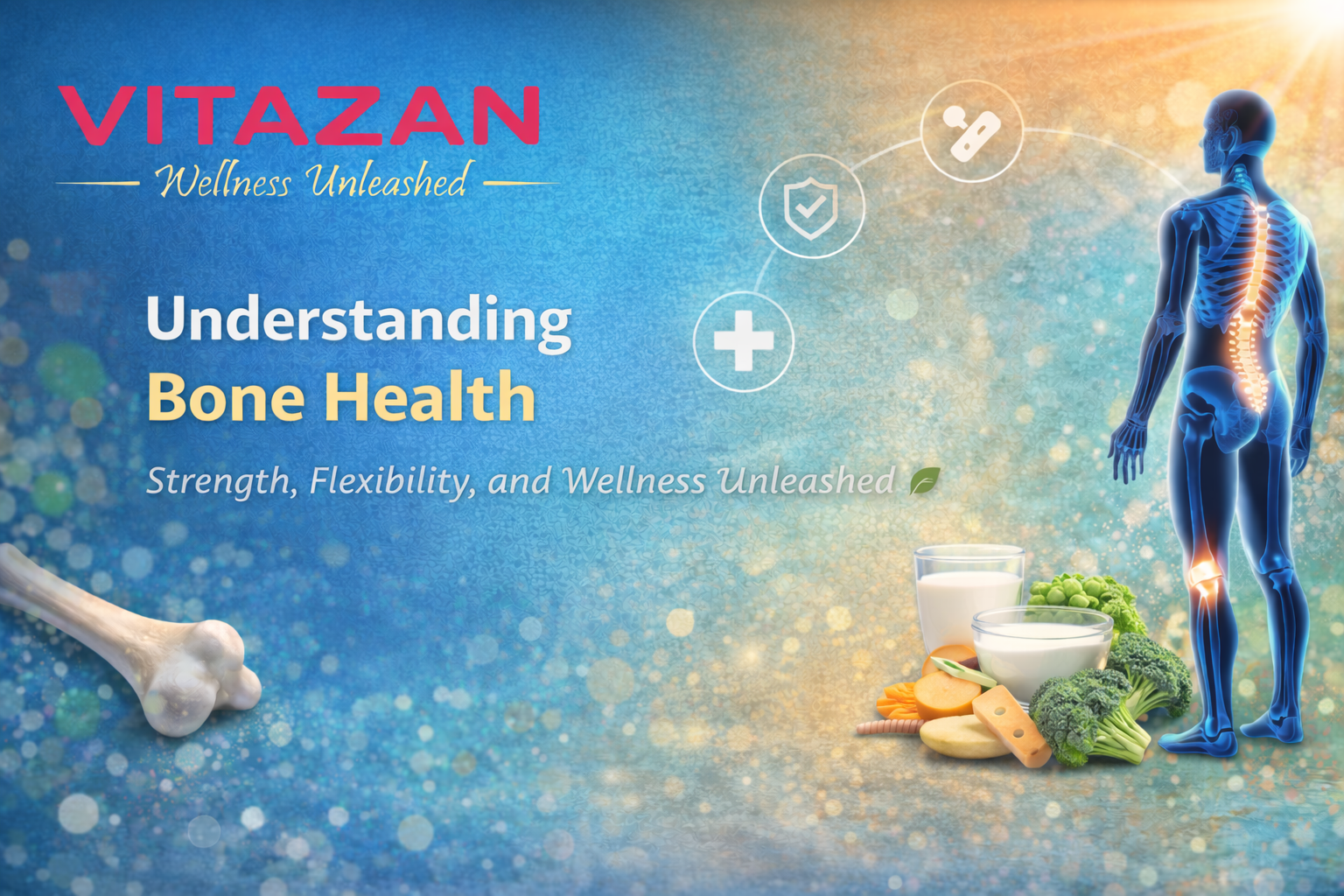
Bone health is the foundation of movement, posture, and independence. From childhood to old age, bones play a critical role in protecting organs and enabling mobility. Maintaining healthy bones is essential to prevent fractures, pain, and osteoporosis.
How Bones Change Over Time
Bone density peaks in early adulthood and gradually declines with age. Poor nutrition, lack of exercise, and hormonal changes can accelerate this process.
Signs of Weak Bone Strength
- Frequent joint pain
- Reduced height or posture changes
- Increased fracture risk
Nutrition for Bone Strength
Calcium is the building block of bones, but it works best when combined with Vitamin D3, Magnesium, and Zinc.
Supporting Joint Flexibility
Adequate mineral intake helps maintain cartilage health and joint flexibility, reducing stiffness and discomfort.
Preventing Osteoporosis Naturally
Lifestyle changes such as weight-bearing exercise, adequate sunlight, and proper supplementation significantly reduce osteoporosis risk.
Conclusion
Strong bones are key to lifelong mobility. With informed choices and the right support, bone health can be preserved at every stage of life.