
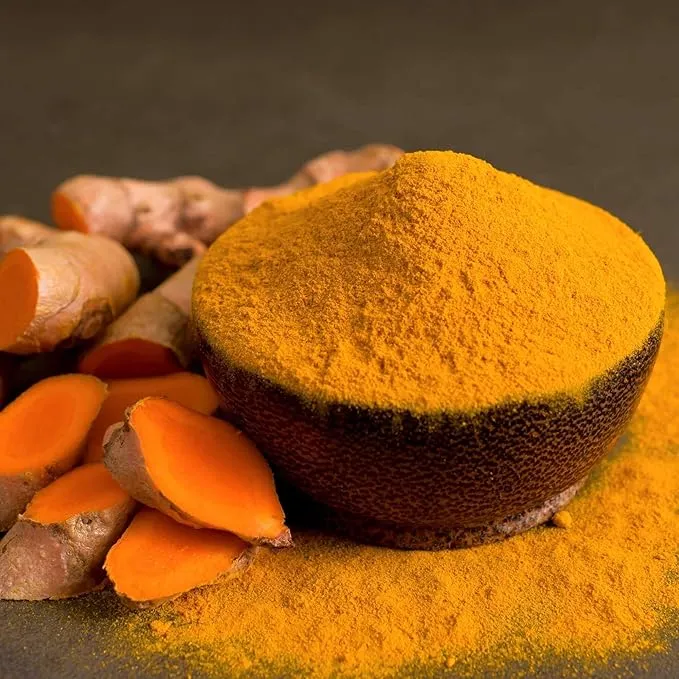
Legends describe Turmeric, also known as Haldi, as the golden gift of the earth, a herb sanctified in rituals and celebrated in kitchens. Ancient Vedic texts call it Haridra, meaning ‘yellow one’, symbolising purity, protection, and healing. In weddings, the Haldi ceremony was more than a cosmetic ritual; it was believed to guard the Bride and Groom against evil and disease, blessing them with Health and Fertility.
Ayurvedic Physicians prescribed Haldi for Wounds, Skin Conditions, Digestive Imbalances, and Liver Disorders. Warriors returning from battle were treated with Turmeric paste to disinfect injuries and speed up recovery. Its golden Colour became a symbol of Vitality, often referred to as ‘the Body’s inner sunlight’.
Modern Science validates these traditions: curcumin, Turmeric’s active compound, is a potent anti-inflammatory and antioxidant. It helps with Arthritis, Liver Detoxification, Diabetes Management, and even supports Heart Health. A warm cup of Haldi Doodh (Turmeric Milk), still common in Indian homes, carries both History and Healing in every sip.
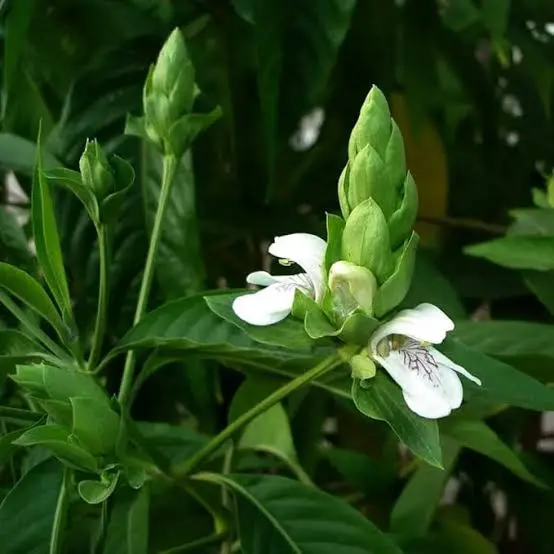
The tale of Adulsa Patra (Vasaka), also known as Malabar Nut Leaves, is one of Resilience. It grows in the toughest soils and climates, thriving where other Plants wilt, much like its Role in healing the Human Body. Ancient Ayurvedic Treatises mention its use for Soldiers who marched in Winter campaigns and returned with Lungs filled with Phlegm and breathless Chests. Decoctions of Adulsa leaves were given to clear Airways and restore Strength.
Adulsa contains Vasicine, a natural Alkaloid that acts as a Bronchodilator and Expectorant. It loosens stubborn Mucus, reduces Inflammation, and allows free Breathing. From Chronic Bronchitis and Asthma to Seasonal Coughs, Adulsa has been a frontline Remedy in Ayurveda for Respiratory Health.
Even today, many modern Cough Syrups trace their Inspiration to this single Herb. Its Leaves continue to embody what Healers knew centuries ago: the breath of Life is protected when Adulsa is by your side
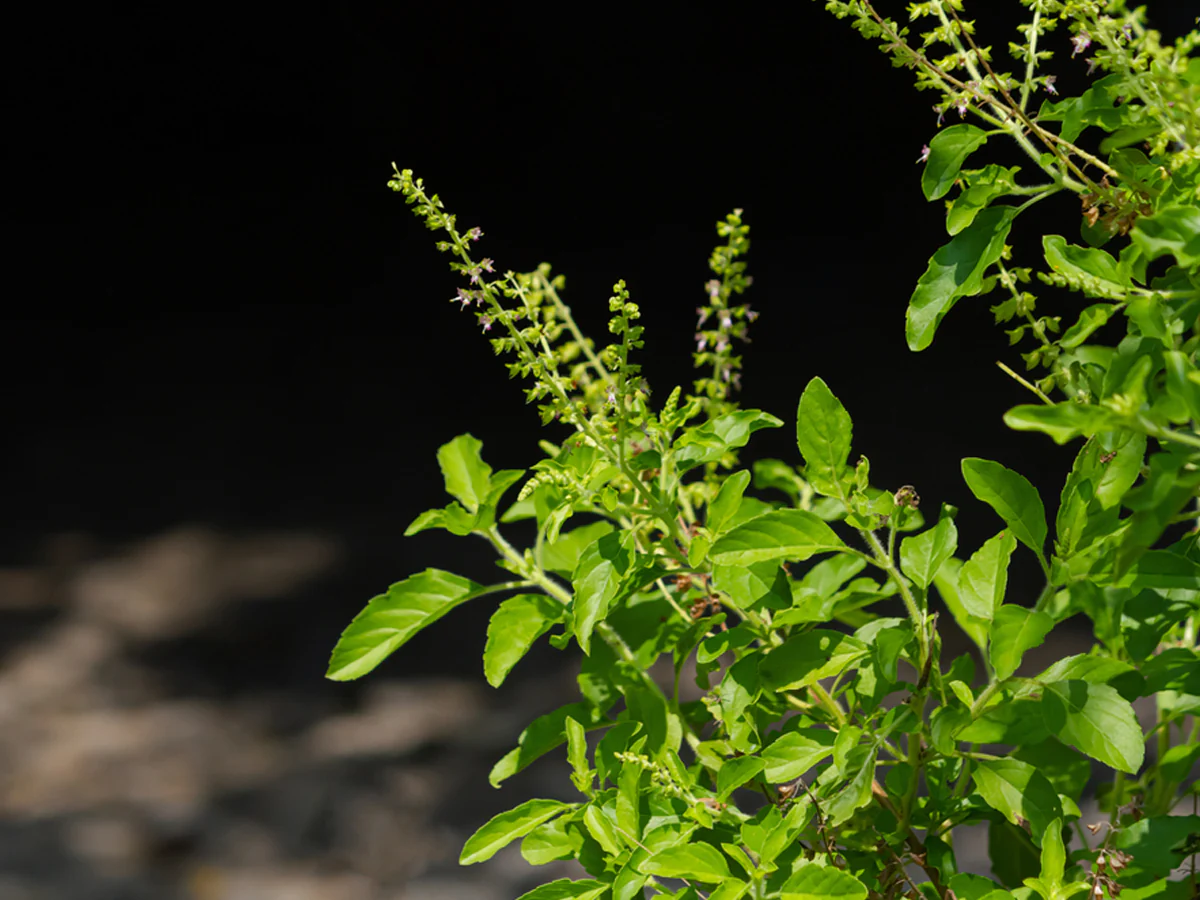
Every Indian Courtyard once held a Holy Basil Plant, also known as Tulsi, nurtured not just as a Herb but as a Living Goddess. Mythology reveres Tulsi as the Earthly Incarnation of Lakshmi, the Goddess of Prosperity, and as the Consort of Lord Vishnu. Families lit Lamps before Tulsi every morning and Evening, believing it kept away Disease, Sorrow, and Misfortune.
Ayurveda calls Tulsi ‘the Incomparable One’. It was brewed as Tea for Fevers, crushed into Pastes for Wounds, and consumed raw to ward off Infections. Warriors chewed Tulsi Leaves before heading to Battlefields, believing it brought Courage and Immunity. Sages carried Tulsi Sprigs in Forests to shield themselves against Fevers and Fatigue.
Science confirms Tulsi’s remarkable Qualities: it is an Adaptogen, helping the Body combat Stress. It regulates Blood Sugar, protects the Liver, improves Immunity, and clears Respiratory Passages. During Monsoons and Seasonal Transitions, Tulsi Tea remains one of the most Reliable Shields against Coughs, Colds, and Fevers.
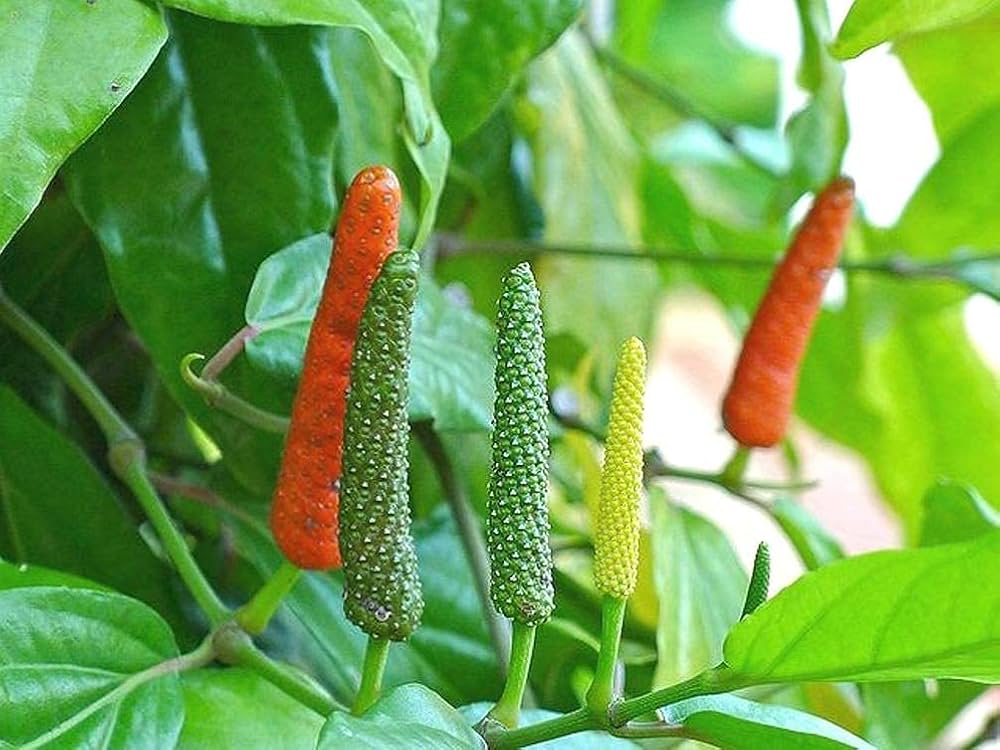
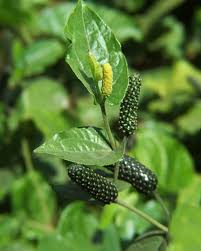
In the bustling Markets of ancient India, Long Pepper, also known as Pippali, was worth its weight in Silver. Merchants carried it along the Silk Road, and Roman Nobles prized it as both a Spice and Medicine. Ayurveda ranks Pippali as a Rasayana—a Rejuvenator that strengthens the Body and prolongs Life.
Legends say Warriors consumed Pippali to build Stamina, while Healers gave it to Patients with weak Lungs or poor Digestion. Mixed with Honey, it was a Cure for persistent Cough, a Remedy that even Kings relied upon in Winter Courts.
Pippali stimulates Digestion, clears Respiratory Congestion, and enhances the Bioavailability of other Herbs. It is especially valued for Chronic Respiratory Disorders like Asthma, Bronchitis, and low Immunity. Its warming Energy makes it a Companion for cold Climates and sluggish Digestion, ensuring Vitality flows where Stagnation once dwelled.
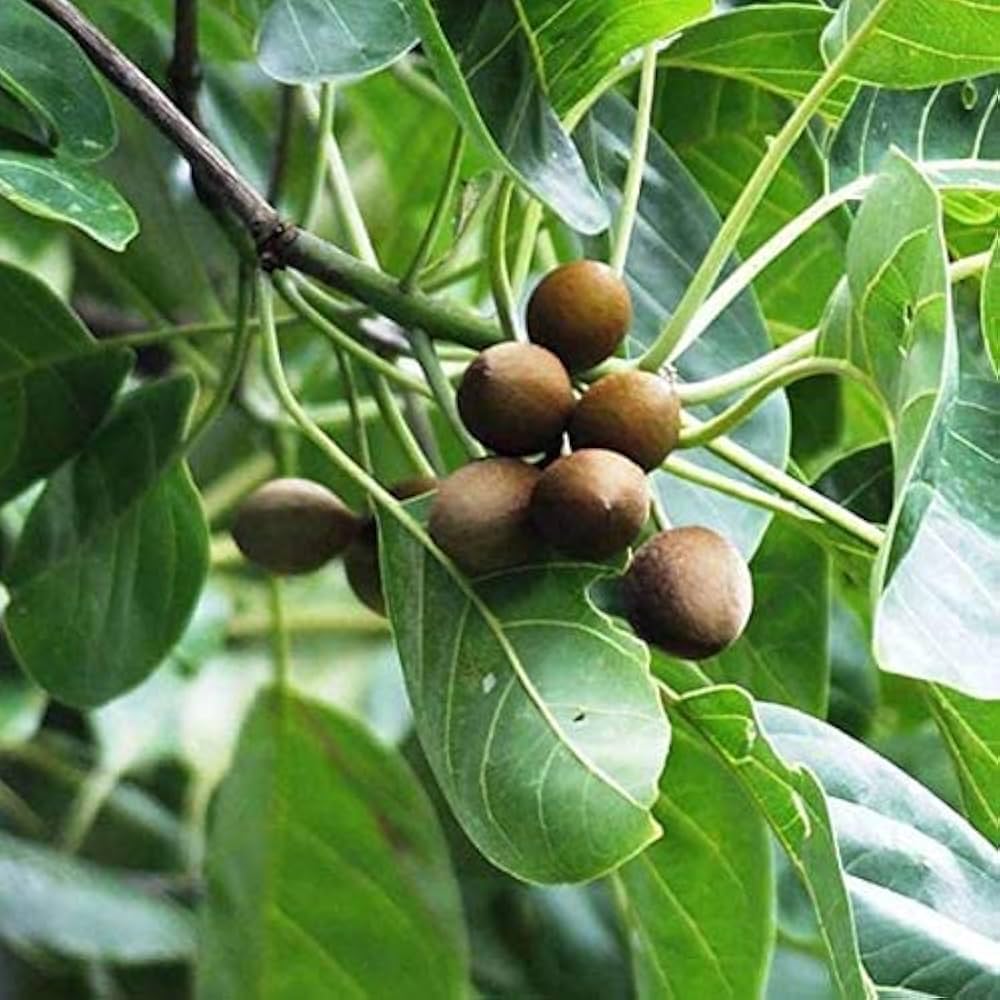
One of the sacred Fruits of the famous Triphala Formula, Behda is called Bibhitaki in Ayurveda, meaning ‘fearless of disease’. Folklore tells of Forest Healers who carried Behda on long Journeys, using it to cleanse the Body of Impurities and keep the Lungs strong against Dust and Smoke.
Behda is a Detoxifier, balancing all three Doshas, especially Kapha (Mucus and Heaviness). It clears Phlegm, sharpens Vision, and improves Digestion. Rich in Tannins and Antioxidants, it is renowned for Longevity and Rejuvenation.
In Respiratory Ailments, Behda loosens Mucus, relieves Sore Throats, and strengthens Lung Function. It is often blended with Haritaki and Amalaki (the other two Triphala Fruits), creating a Harmony that supports the entire Digestive and Respiratory System.
Bharangi, whose Name means ‘Noble and Respected’, has long been treasured for its Power over stubborn Respiratory Ailments. In Folklore, Warriors treated with Bharangi Pastes after Battles found Relief from Fevers, Swelling, and Chest Congestion.
Ayurveda prescribes Bharangi for Asthma, Sinusitis, and Chronic Cough. It clears Nasal Blockages, reduces Inflammation, and improves Immunity. Beyond Respiratory Health, Bharangi is also valued for reducing Arthritis-related Swelling and Pain.
Modern Herbal Medicine recognises Bharangi as a Lung-strengthening Herb, particularly useful in Seasonal Transitions when Respiratory Ailments peak. It continues to be a Cornerstone in Ayurvedic Formulations for Chronic Respiratory Disorders
Kakdasinghi, a lesser-known gem of Ayurveda, has roots in Folk Traditions where powdered Galls mixed with Honey were given to Children suffering from Cough and Wheezing. Its soothing Nature made it a trusted Household Remedy in mountainous Regions.
Ayurveda prescribes Kakdasinghi for Asthma, Bronchitis, and Chest Tightness. It calms inflamed Airways, relieves Phlegm, and restores easy Breathing. Its unique Astringent and Expectorant Properties make it especially useful in Chronic and Allergic Respiratory Conditions.
Though less famed than Tulsi or Pippali, Kakdasinghi has remained a quiet Guardian of Respiratory Wellness for Generations.
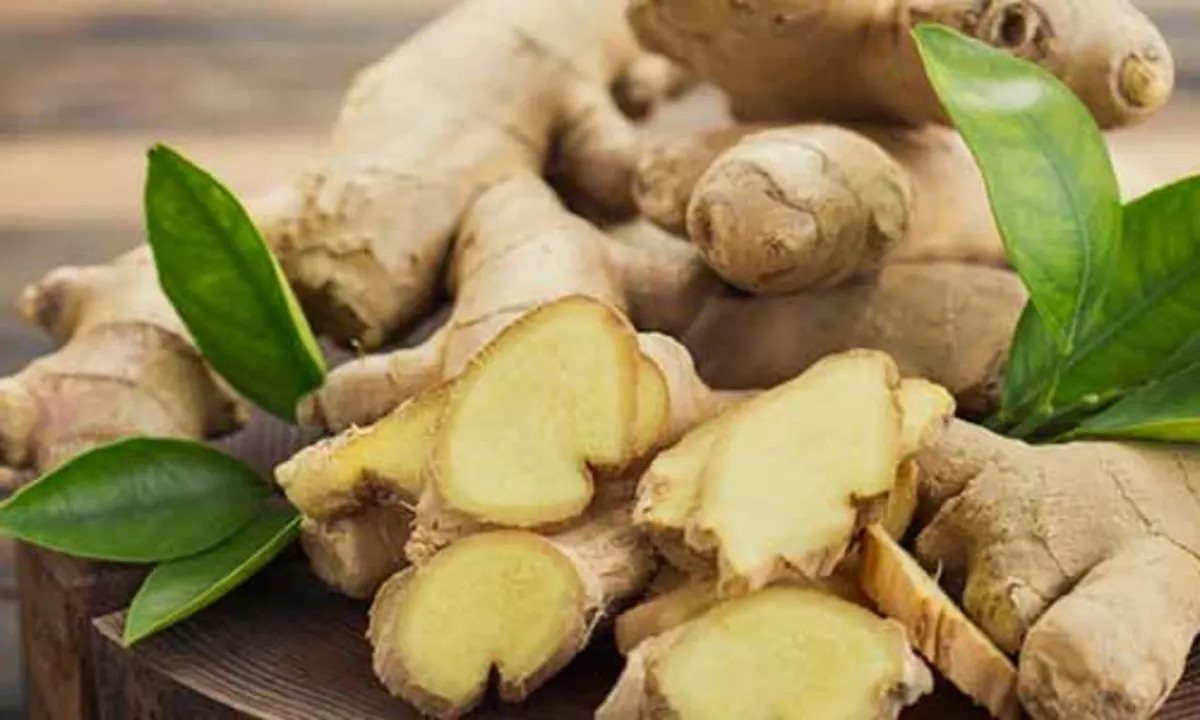
From Chinese emperors to Indian healers, Ginger has been celebrated across civilisations as the universal medicine. Seafarers carried it to prevent nausea during long voyages, while Ayurvedic texts praised it for stimulating digestion and circulation.
Fresh Adarak is warming, invigorating, and restorative. It relieves nausea, improves appetite, clears respiratory congestion, and strengthens immunity. In winter, ginger tea has been a comforting shield against colds and fatigue for centuries.
Science recognises its compounds—gingerols and shogaols—as potent anti-inflammatory and antioxidant agents. Ginger helps manage arthritis, lowers cholesterol, and supports heart health. Whether in tea, decoction, or meals, ginger continues to embody vitality and warmth.
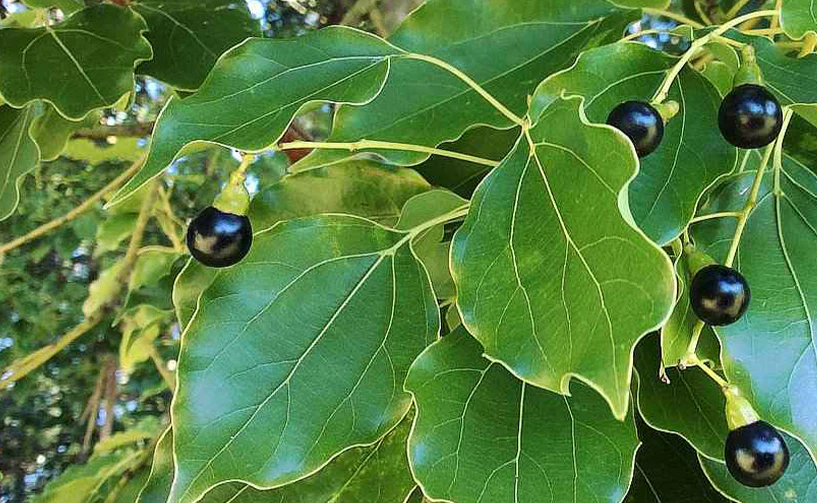
In Temples and Homes, Camphor has long symbolised Purity. Its Flame, when lit in Rituals, represents the Destruction of Ego and Darkness. But beyond its Spiritual Aura, Camphor has always been Medicine.
Applied as Balms or Oils, Camphor reduces Pain, Stiffness, and Swelling. Inhaled, it clears Nasal Congestion and refreshes the Senses. Ayurveda values Camphor for opening Chest Blockages, soothing Cough, and calming Anxiety.
Historically, it was also used as a Cooling Agent for Fevers and as an Antiseptic for Wounds. Its dual Energy, both Cooling and Penetrating, makes Camphor a unique Bridge between Ritual Sanctity and Physical Healing.
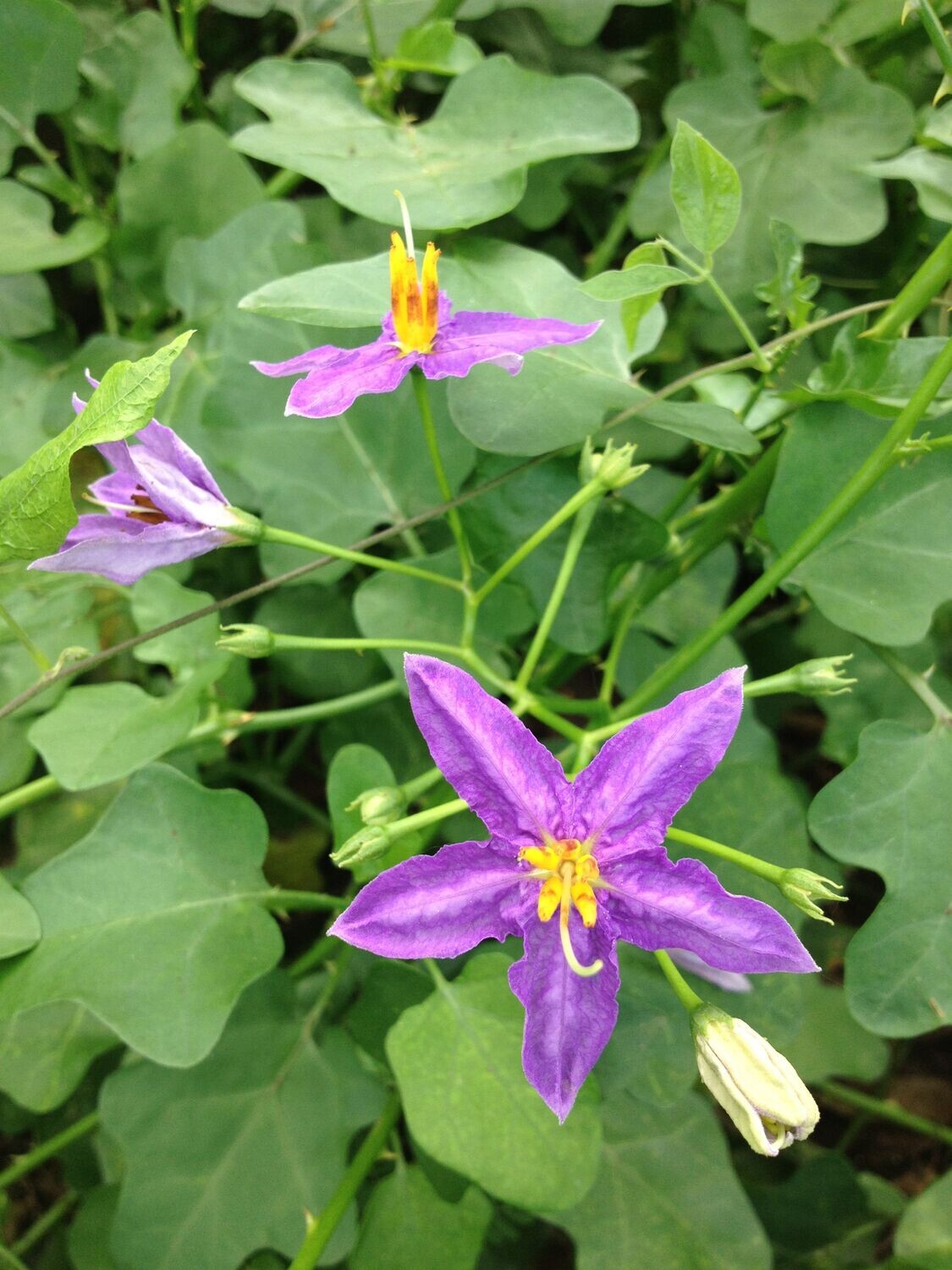
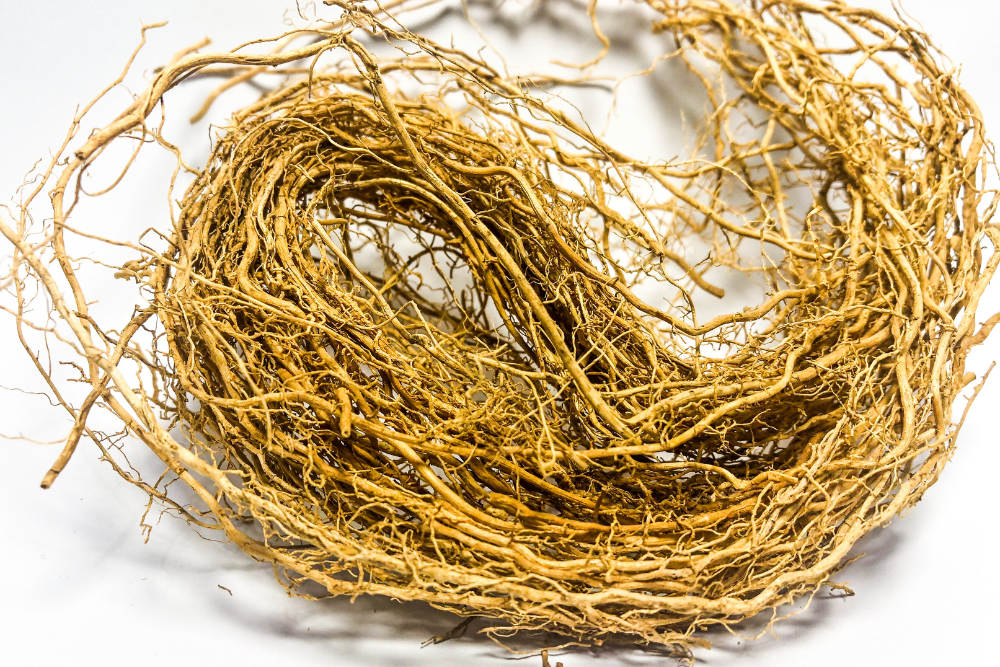
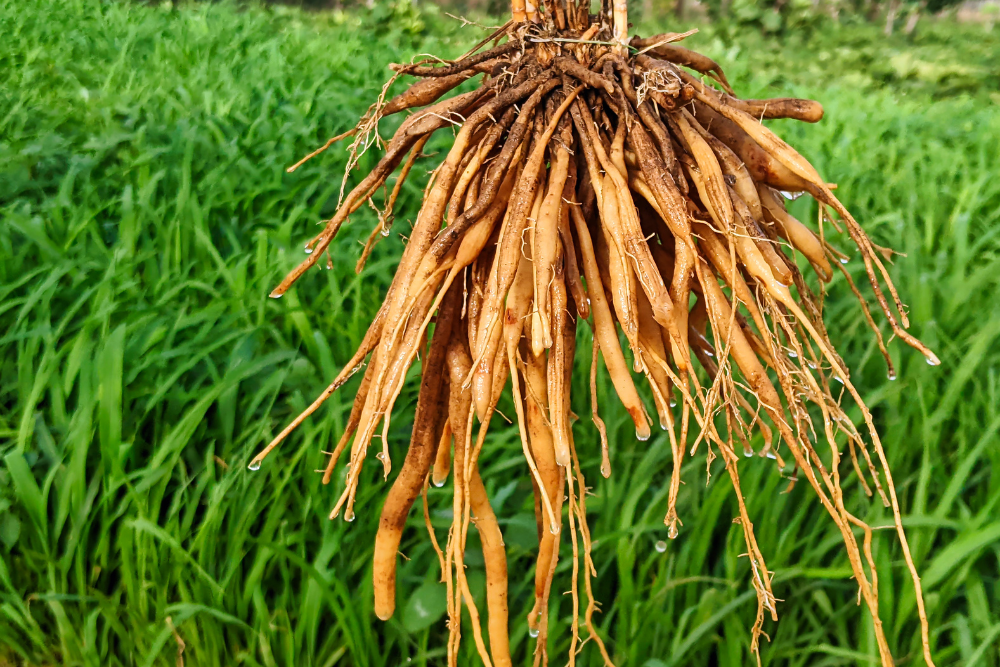
Among the lesser-known Treasures of Ayurveda lies Ringni Mool, a Root whispered about more in Village Traditions than in Classical Texts. Folk Healers, however, always knew its Worth. They called it a Guardian of the Lungs, a Plant that gave Strength back to the Weak, especially those worn down by long Fevers and relentless Coughs.
Traditionally, Decoctions of Ringni Mool were brewed at the Turn of Seasons, when Respiratory Ailments struck hardest. It was given to Children, Elders, and those with Fragile Health to build Resilience against Phlegm, Breathlessness, and Fatigue. Combined with other Allies like Pippali or Behda, Ringni Mool was said to work in Harmony, amplifying the Effects of its Companions.
Though modern Scientific Studies on Ringni Mool remain limited, Traditional Wisdom holds it as a Restorative Tonic for Immunity and Vitality. It is the kind of Herb that quietly supports Balance in the Body—less celebrated in Books, but deeply rooted in the Oral Traditions of Healing. In many Ways, Ringni Mool reflects the unseen Strength of the Earth itself: silent, grounding, and protective.
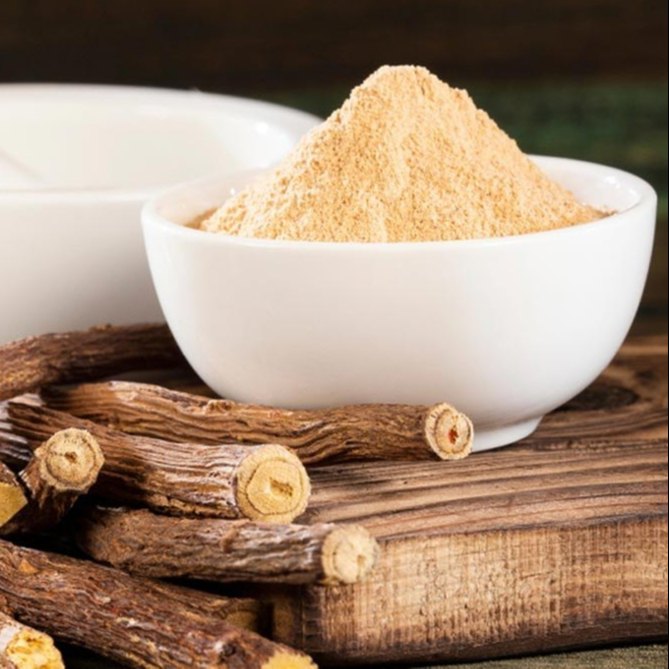
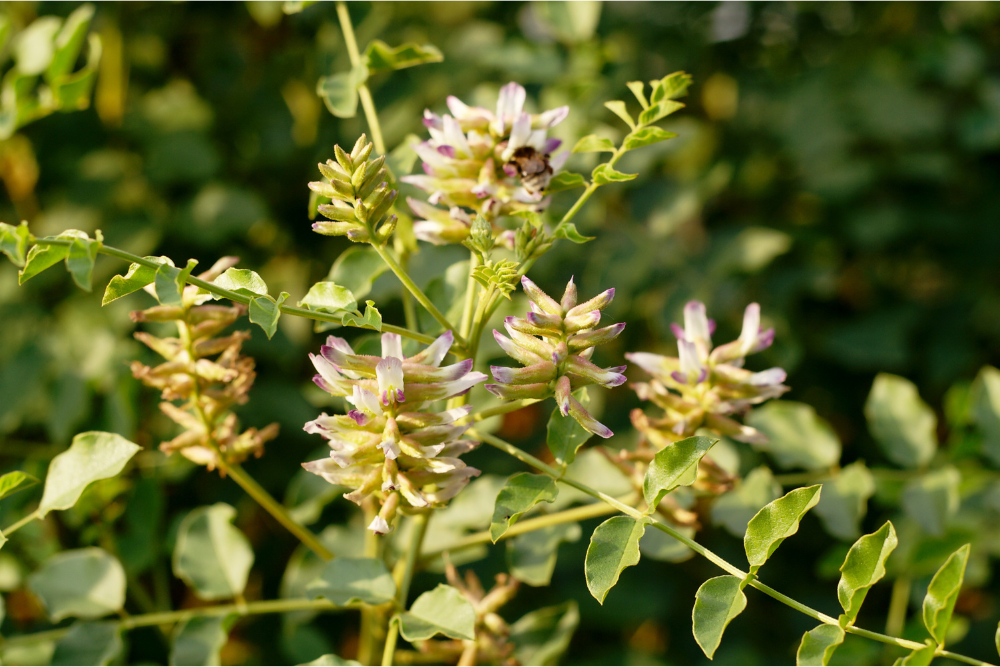
Sweet, Smooth, and Healing, Jethimadh (Yashtimadhu), also known as Liquorice Root, has travelled across Continents, earning Praise in every Culture it touched. In India, Sages called it Madhuyashti—‘the Sweet Healer’—while in Greece, Dioscorides recommended it for soothing Throats and Stomachs. Singers, both ancient and modern, have cherished it for its ability to sweeten the Voice.
In Ayurveda, Jethimadh is classified as a Rasayana, a Rejuvenating Herb that nourishes both Body and Mind. It relieves Dry Cough, heals Gastric Ulcers, calms Inflammation, and restores Energy in states of Fatigue. Its natural Sweetness makes it a Harmoniser in Formulations, balancing out harsher Herbs while amplifying their Healing Effect.
Science points to Glycyrrhizin, the active Compound, which has anti-inflammatory, anti-ulcer, and even Antiviral Properties. Modern Researchers also study its Role in Adrenal Support, helping the Body adapt to Stress. Jethimadh is not just a Sweet Root—it is a Bridge of Harmony, protecting Voice, Digestion, Immunity, and Spirit alike.
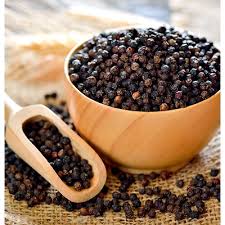
Few Spices have shaped History like Black Pepper, the King of Spices, also known as Kalimari. Once Worth its Weight in Gold, Pepper was demanded as Tribute by Roman Emperors, guarded in Arab Markets, and pursued relentlessly by European explorers. Yet beyond its Role in Trade and Cuisine, Ayurveda recognised Maricha as a Fiery Healer long before the Spice Wars began.
Black Pepper stokes the Digestive Fire (Agni), clears Phlegm from the Lungs, and awakens dull Senses. It was also valued by Scholars and Monks, believed to sharpen the Intellect and Focus during long hours of Study or Meditation. In Ayurveda, it is a vital part of Trikatu—the Blend of Pepper, Long Pepper, and Ginger—used to Stimulate Metabolism and Immunity.
Modern Science identifies Piperine, the Compound that makes Pepper pungent, as a powerful Bio-enhancer. It improves the Absorption of Nutrients and Herbs, making it indispensable in Formulations from Chyawanprash to modern Supplements. Kalimari is timeless, uniting Flavour and Medicine, proving that True Treasures often hide in plain Sight.
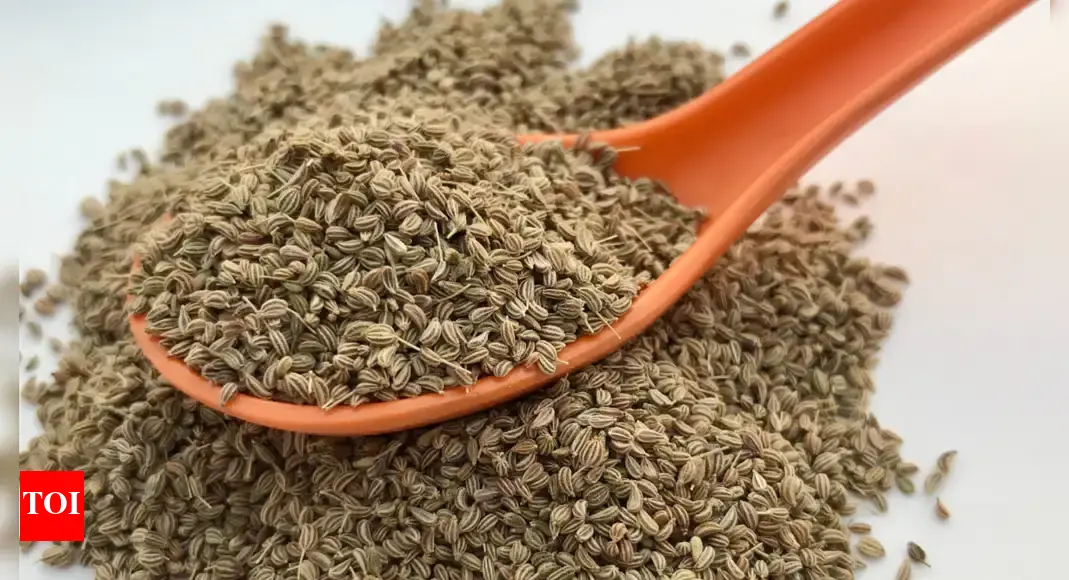
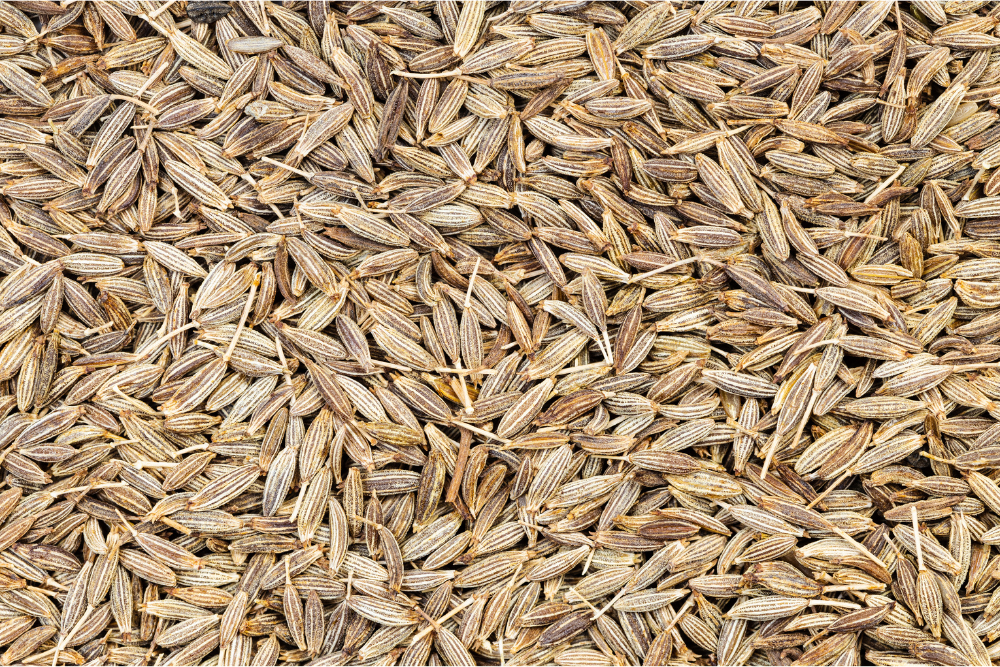
Small in Size but mighty in Effect, Carom Seeds, also known as Ajwain, have been a Healer in every Indian Kitchen. Folk Traditions describe Mothers warming the Seeds, tying them into Cloth Pouches, and placing them on Infants’ Chests to ease Congestion. Even the Aroma itself was thought to drive away the ‘cold Wind’ that caused Colic and Cough.
Ajwain is a Digestive Powerhouse. It relieves Bloating, Indigestion, and Stomach Cramps, while also helping to clear Phlegm and soothe Coughs. Its dual Action on Gut and Lungs makes it unique—a single Seed that balances two Vital Systems.
Ayurveda attributes its Potency to its ability to balance Vata and Kapha Doshas. Its sharp, pungent Nature stimulates Appetite and clears Stagnation. Modern Studies highlight Thymol and other Essential Oils in Ajwain as natural Antimicrobials and Antifungals. Whether as a Home Remedy in warm Water or a Spice in Food, Ajwain proves that sometimes the Greatest Remedies are found in the Smallest Seeds.
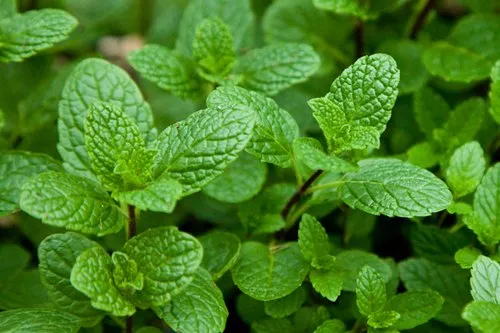
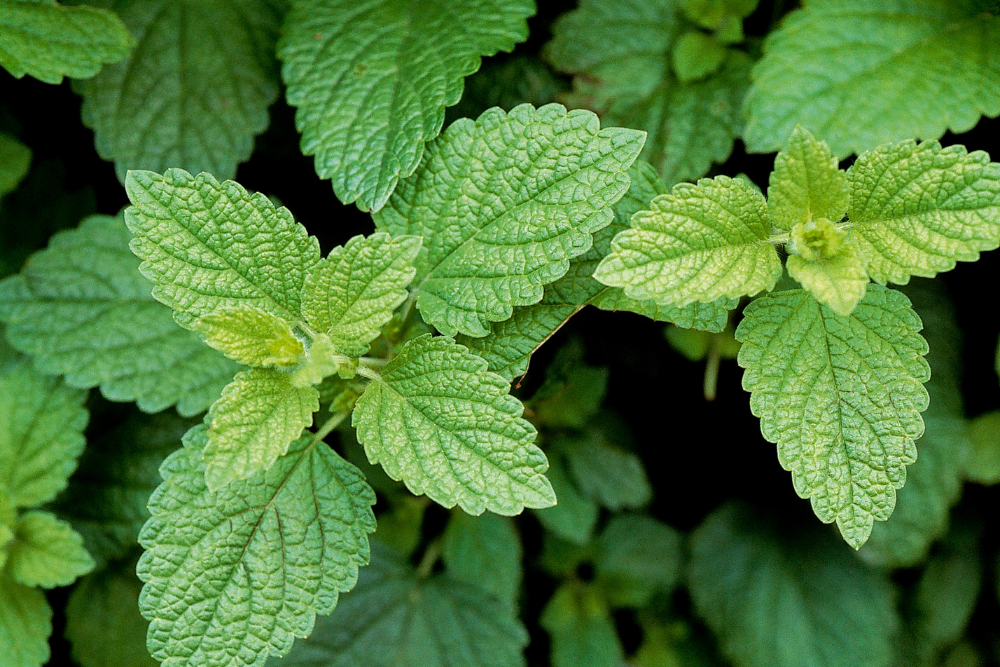
From Egyptian Tombs where it symbolised Eternal Freshness, to Indian Gardens where it refreshes both Air and Body, Mint, also commonly known as Pudina, has always been an Herb of Cool Relief. Its Flowers, known as Pudina Phool, carry the same Invigorating Spirit, embodying Purity, Clarity, and Renewal.
In Ayurveda, Pudina is prescribed to ease Stomach Troubles, relieve Headaches, and cool Fevers. Its cooling Quality balances excess Heat in the Body, while its Aroma clears Nasal Passages and uplifts the Mind. Pudina Phool in particular is prized in soothing Teas, Decoctions, and Inhalations that refresh both Body and Senses.
The Magic lies in Menthol, the Compound that gives Pudina its Cooling, Numbing, and Clarifying Effects. It relieves Congestion, improves Digestion, and even calms Anxiety. From Folk Remedies to modern Cough Drops and Herbal Teas, Mint continues to be a Universal Healer of Refreshment—an Herb that heals not just through Medicine, but through Sensation itself.
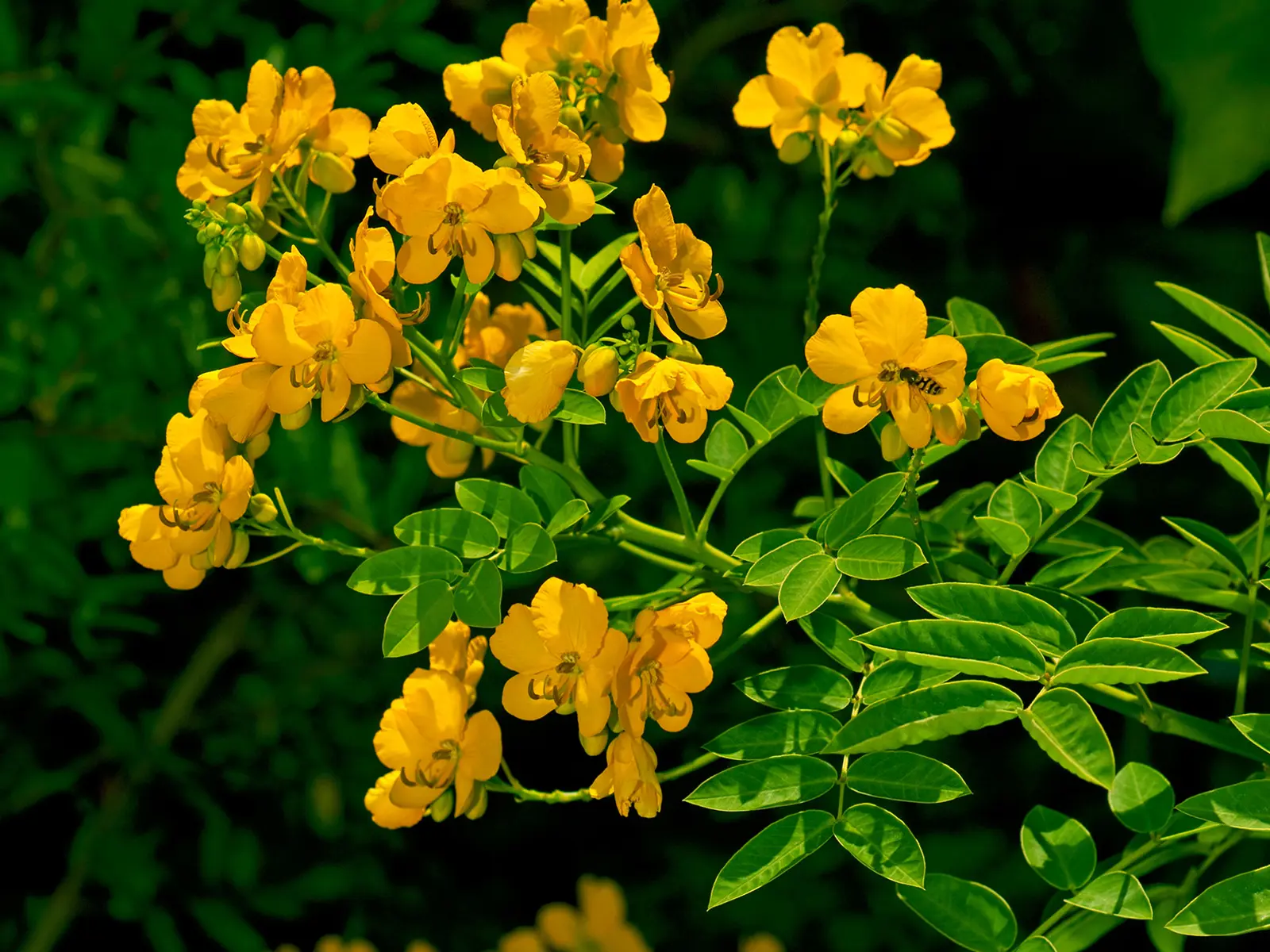
Known since antiquity as a gentle yet powerful purifier, Senna has long been treasured in both Eastern and Western healing traditions. Ancient Arab physicians documented its use for cleansing the body, while Ayurveda classified Senna as a herb that clears Ama—the toxins and undigested residues that burden health. In folk traditions, it was regarded as a household remedy to relieve sluggishness and restore vitality by keeping the digestive system active.
Ayurvedic physicians prescribed Senna primarily for its laxative properties, using its dried leaves and pods to ease constipation and balance aggravated Vata and Kapha doshas. It was often prepared as a tea or decoction, supporting bowel regularity and aiding the elimination of impurities. Beyond digestion, Senna was considered a herb of renewal, helping the body regain lightness, energy, and clarity.
Modern science recognises Senna’s effectiveness through its active compounds, anthraquinone glycosides (sennosides), which stimulate intestinal activity and promote natural bowel movements. Today, Senna remains a key ingredient in herbal laxatives and detox formulations worldwide. Though mild in nature, its action is firm and reliable, reminding us that nature’s remedies can be both gentle and powerful. From ancient households to modern wellness cabinets, Senna continues its legacy as a trusted herb for cleansing, renewal, and balance
VITAZAN is proudly powered by WordPress